





 October 10th, 2019
 3:15 runtime
You have a top-quality rifle, know its control and operation instinctively, and have trained extensively with it on the range. But, there’s always the concern of malfunctions that might be induced by faulty ammunition or some other factor outside the control of you and your weapon. How do you train for this?

First and foremost, you’ll want to make sure you know the types of malfunctions you might face — which we did a deep dive on in our recent Keep Your Carbine in the Fight piece. But, knowing these and dealing with them under both surprise and stress are two very different things. It’s amazing what adding a little of the unexpected into your training can do for you.
Adding a Little Mystery
I went to the range with Freddie Blish, a renowned trainer and firearms expert, and asked him to provide additional training on handling the various types of malfunctions you might encounter. He suggested we try out the “mystery malfunction” drill.
It is simple, clever, and brutally honest. A training partner causes a malfunction without telling you what caused it. You load, make ready, and press the trigger. Something goes wrong, and now the clock starts in your head.
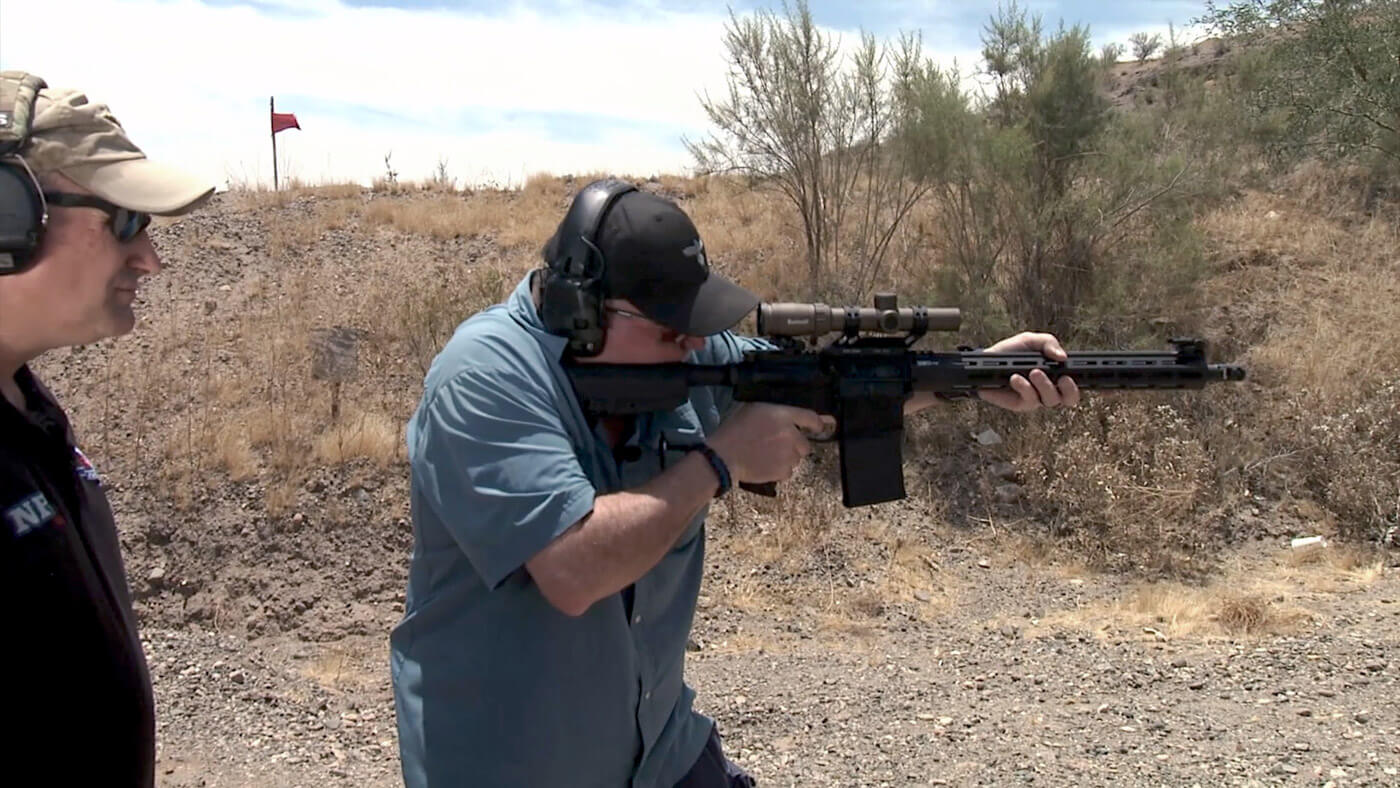
What makes this drill so effective is uncertainty. You do not get to diagnose the problem in advance. You have to work through it in real time. That forces you to rely on your fundamentals rather than guess.
In our run, the setup involved closing the dust cover, aiming downrange, and letting the drill do its job. When the malfunction hit, my response revealed something important. I cleared it as a type three, but it was actually a type two. The rifle came back online, but not as efficiently as it could have.
That small mistake is exactly why this drill exists.
Building Unconscious Confidence
The goal of malfunction training is not speed for its own sake. It is unconscious confidence. You want your hands to move without panic, hesitation, or overthinking. Push, pull, roll, and rock should feel as natural as flipping the safety.
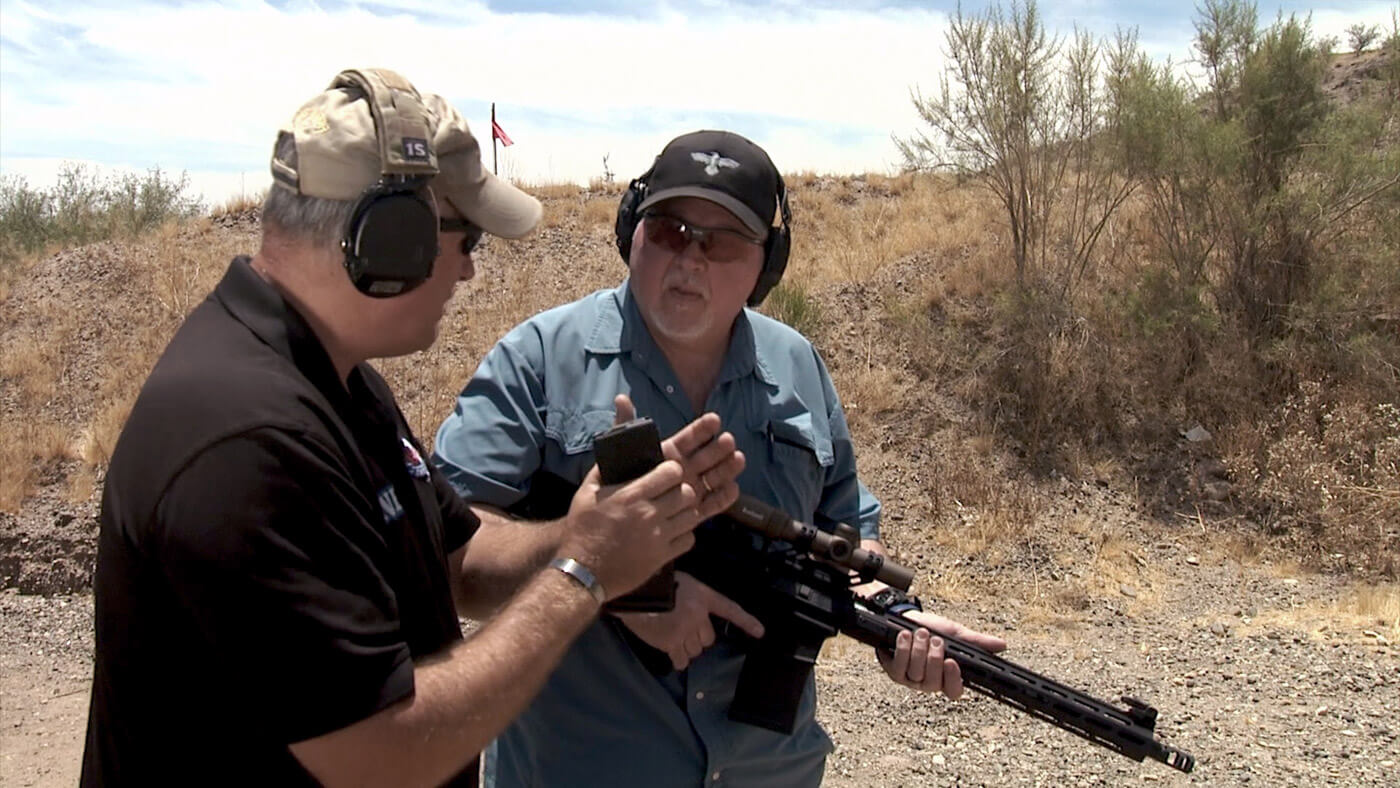
When you consistently practice all three malfunction types, your response becomes streamlined. You stop burning mental energy on the mechanics and free your attention for what really matters. Situational awareness, threat processing, and decision making all improve when your gun handling is automatic.
Fail-proof your carbine training depends on that mental bandwidth. The rifle is only part of the system. You are the rest of it.
Training with Purpose, Not Comfort
What I appreciate most about drills like this is that they expose comfort zones. It is easy to look good when everything runs smoothly. It is harder to stay composed when the rifle fights back. That is where growth lives.
If you want to fail-proof your carbine training, seek out drills that create friction. Train with partners who challenge you. Practice until malfunctions feel routine instead of disruptive. Over time, confidence replaces guesswork, and your performance stabilizes under pressure.
We will keep running this carbine, learning new drills, and pushing deeper into malfunction work. Every rep is another layer of reliability. Not just for the rifle, but for the shooter behind it.
Join the Discussion
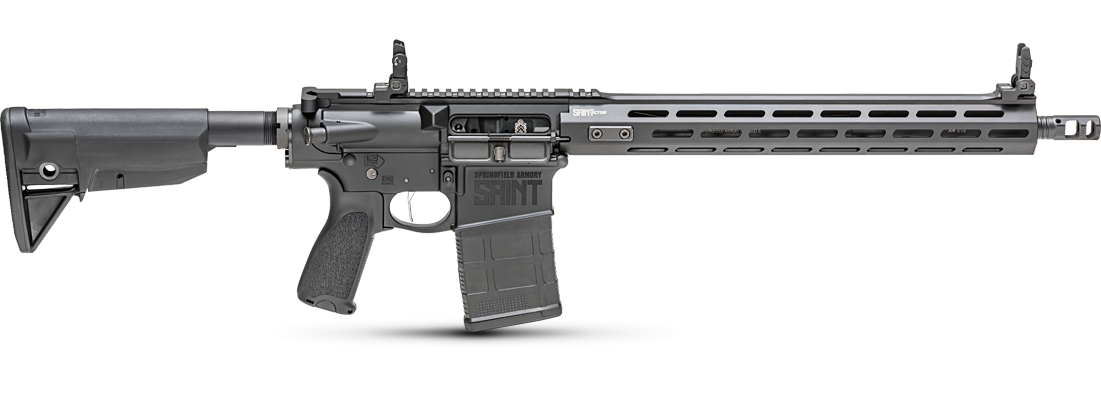
Featured in this video
Share


Continue Reading


Did you enjoy this video?

 27
27
Springfield Armory® recommends you seek qualified and competent training from a certified instructor prior to handling any firearm, and to be sure to read your owner's manual. The views and opinions expressed on this website are those of the authors and do not represent the views and opinions of Springfield Armory.
Product prices mentioned in articles and videos are current as of the date of publication.

Yamil Sued
Yamil is a graduate of the prestigious Brooks Institute of Photographic Arts and Sciences in Santa Barbara, CA with a Major in Illustration Photography and Color Technology with over 34 years of professional experience. Yamil started his professional relationship with the Shooting Industry in 1995 and has since worked with companies like Springfield Armory, S&W, Glock, FNH USA, Remington, Bushmaster, Bushnell, Leupold, Aimpoint, PWS, Vortex Optics, Cor-Bon Ammunition, ERGO Grips, AmeriGlo Sights, Krause Publications, Comp Tac Victory Gear, The Beta Company, IDPA, MGM Targets, Rainier Ballistics, Rock Castle Shooting Center, SIG Sauer and was a Staff Photographer for Cabela’s in Sidney, NE. Yamil is also a Writer and Photographer for Guns & Ammo, Guns & Ammo SIP's and Gun Digest.